
Bhorkiran: A Mission to Save Humanity by Restoring Harmony with Nature
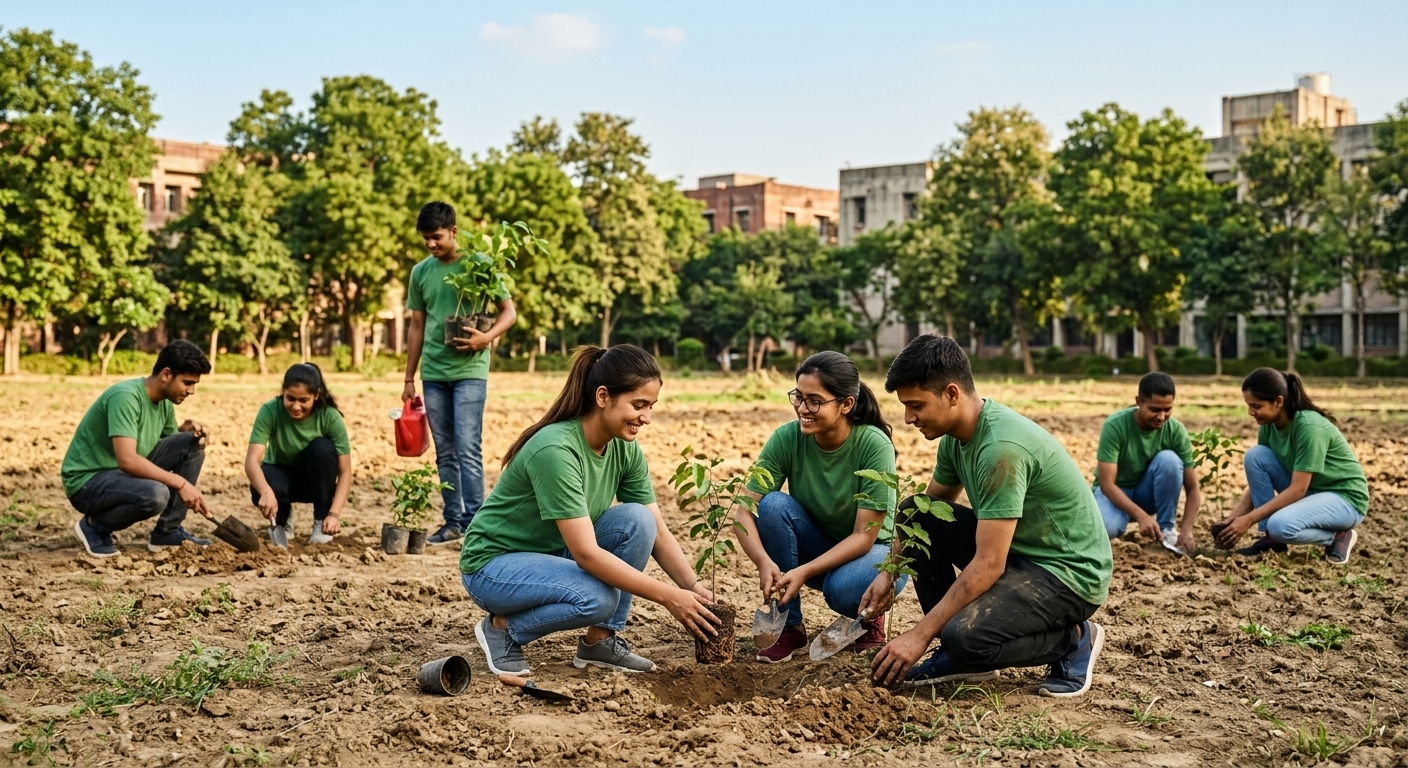 Image slot · replace this image URL to customise
Introduction: Why We Must Focus on Saving Humanity
Bhorkiran is a non-governmental organisation (NGO) operating in India with a distinctive vision: Save Human. At a time when environmental campaigns across the world frequently emphasise the need to save the planet, Bhorkiran invites society to consider a deeper and more urgent question: Do we truly need to save the Earth, or do we need to save humanity from the consequences of its own actions?
For decades, people, institutions, governments, and environmental organisations have used the slogan Save the Planet to inspire environmental protection. Although this message has played an important role in raising awareness, Bhorkiran believes that the central focus of environmental action should also include the survival, dignity, and future of human beings. The Earth has existed for billions of years, long before the appearance of modern humans. Throughout its history, our planet has experienced extraordinary geological transformations, dramatic climatic changes, mass extinctions, and the emergence of new forms of life.
The planet has endured these changes, but countless species have disappeared in the process. Life on Earth has repeatedly transformed in response to changing environmental conditions. This history reminds us of an essential truth: the survival of the planet and the survival of humanity are not the same thing.
The Earth will continue to exist even if human civilisation collapses. However, humanity depends upon a delicate network of natural systems, including clean air, fertile soil, freshwater, stable climatic conditions, forests, oceans, and biodiversity. If these systems are severely damaged, human life will become increasingly difficult to sustain.
Bhorkiran's Save Human mission emerges from this understanding. Its purpose is not to place humanity above nature, but to encourage people to recognise that protecting nature is fundamental to protecting human life. We must reconsider our relationship with the natural world, reduce the harm caused by our activities, and move towards a way of living that respects ecological balance.
The question is no longer simply whether the Earth can survive. The more immediate question is whether humanity can continue to thrive on a planet whose natural systems it is rapidly changing.
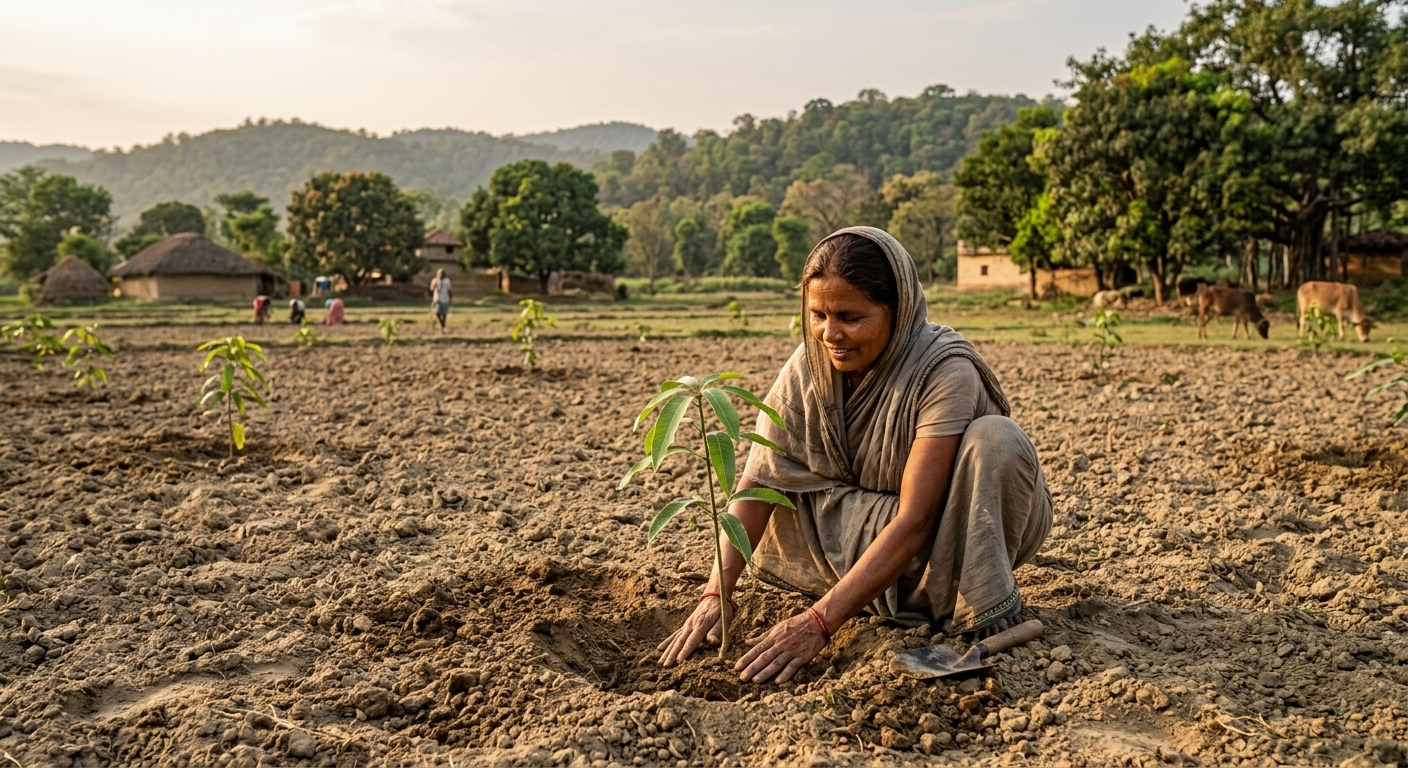 Image slot · replace this image URL to customise
The Earth Is Older Than Humanity
To understand the importance of the Save Human concept, we must first recognise the extraordinary history of our planet.
Earth formed approximately 4.54 billion years ago. Over this immense period, it has undergone countless transformations. Continents have moved, oceans have formed and disappeared, mountain ranges have risen, climates have shifted, and living organisms have evolved. The conditions that exist today are the result of billions of years of geological and biological change.
Life on Earth has never remained exactly the same. The fossil record reveals that many species that once flourished eventually became extinct. Scientists recognise five major mass extinction events in Earth's history, during which exceptionally large proportions of species disappeared over relatively short geological intervals. These events were associated with different causes, including major volcanic activity, dramatic climate changes, changes in ocean chemistry, and asteroid impact.
Despite these devastating episodes, life eventually diversified again. Ecosystems changed, new species evolved, and the planet continued its long history.
This does not mean that environmental destruction is harmless or that the Earth can recover from every disturbance within a timescale relevant to human society. Ecological recovery may take thousands or millions of years, while human communities depend upon functioning ecosystems today. The planet's long-term persistence offers little comfort to people whose homes, livelihoods, health, and food supplies are threatened by environmental degradation.
Bhorkiran therefore encourages a shift in perspective. Instead of assuming that the Earth is entirely dependent on human protection, we should recognise that humans are profoundly dependent on the Earth.
We cannot command the planet to provide favourable conditions indefinitely while simultaneously damaging the systems that make those conditions possible. Our responsibility is to understand the natural limits within which human civilisation can survive and to conduct our activities accordingly.
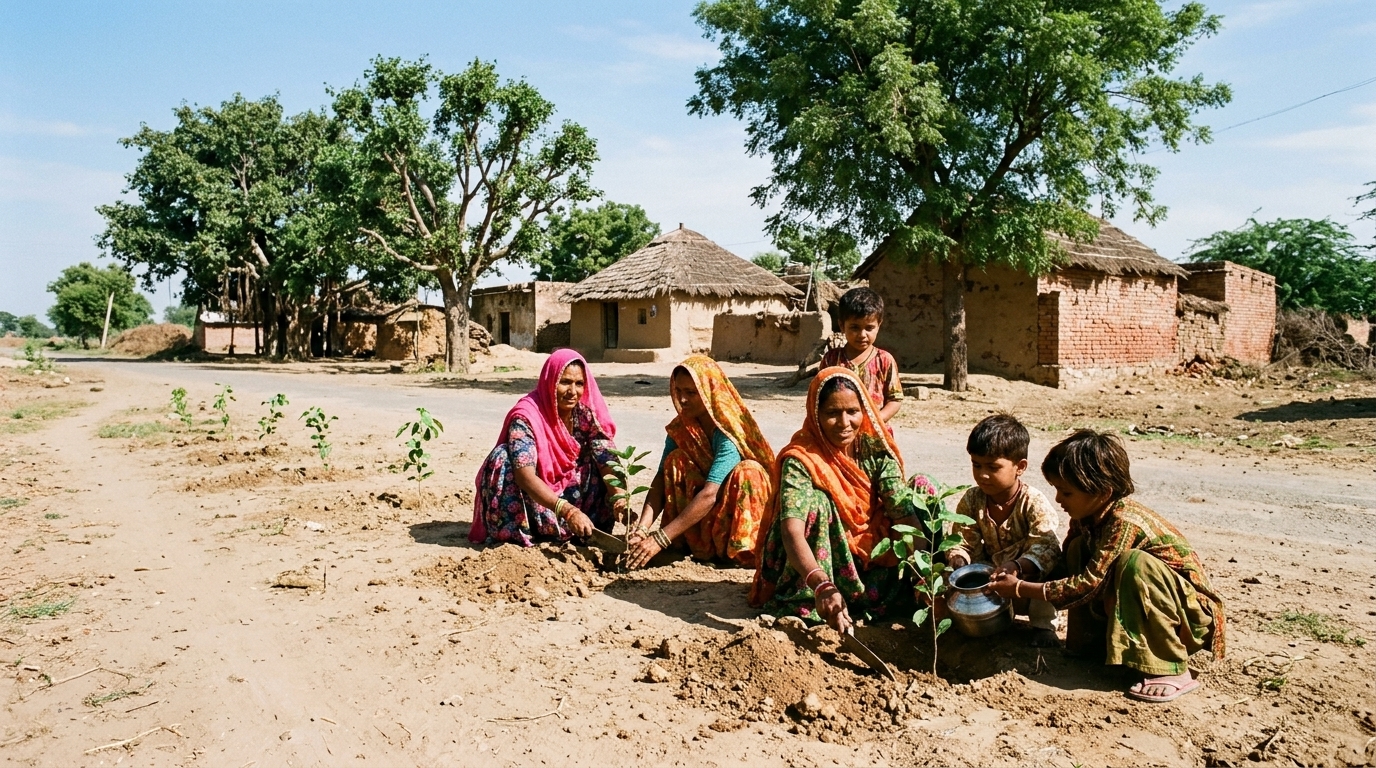 Image slot · replace this image URL to customise
Are We Approaching the Sixth Mass Extinction?
Scientists have raised serious concerns that human activities are driving the world towards a potential sixth mass extinction. The current loss of biodiversity is closely associated with habitat destruction, pollution, overexploitation of wildlife, invasive species, and climate change.
Unlike previous mass extinction events, the present biodiversity crisis is largely driven by the activities of a single species: human beings.
Population growth, expanding cities, intensive agriculture, industrial production, deforestation, mining, and unsustainable consumption have placed extraordinary pressure on natural ecosystems. Forests are cleared to create farmland and settlements. Rivers are polluted by industrial discharge and untreated sewage. Oceans accumulate plastic waste and other contaminants. Wildlife loses its habitats as human development expands into previously undisturbed areas.
The consequences extend far beyond the disappearance of individual species. Every organism plays a role, directly or indirectly, in maintaining the balance of its ecosystem. Pollinators contribute to food production, forests store carbon and regulate water cycles, wetlands help filter water, and soil organisms support fertility and nutrient cycling.
When species disappear and ecosystems deteriorate, the consequences can spread through interconnected natural systems. Agricultural productivity may decline, water supplies may become less reliable, and communities may become more vulnerable to extreme weather and environmental shocks.
The sixth mass extinction is a scientific concern rather than an event that can be assigned a precise date of completion. Nevertheless, the evidence of accelerating biodiversity loss demonstrates that humanity must act urgently.
For Bhorkiran, this concern reinforces the importance of the Save Human mission. If human activities continue to undermine the ecological foundations of civilisation, humanity may ultimately suffer consequences that cannot be resolved through technology, financial resources, or economic development alone.
Saving human life requires protecting the natural systems upon which it depends.
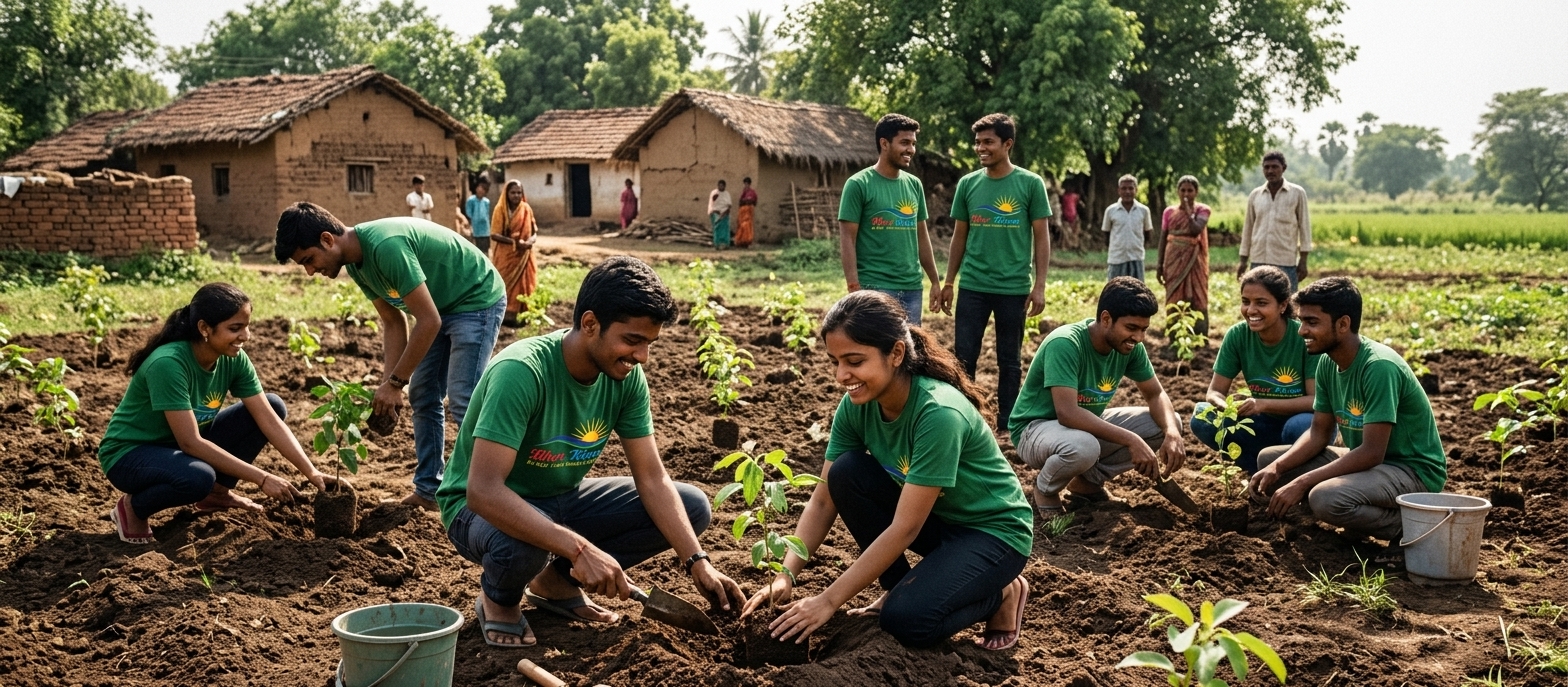 Image slot · replace this image URL to customise
Human Activities Are Damaging the Foundations of Life
Nature operates through interconnected systems. Soil, water, air, forests, oceans, wildlife, and climate influence one another continuously. Damage to one component can weaken several others.
Human development has brought remarkable achievements in medicine, communication, transport, agriculture, and industry. However, when development ignores ecological limits, its benefits can come at the expense of long-term environmental security.
The problem is not human existence itself. Nor is every technological innovation harmful. The central challenge is the unsustainable way in which many societies produce, consume, extract resources, and dispose of waste.
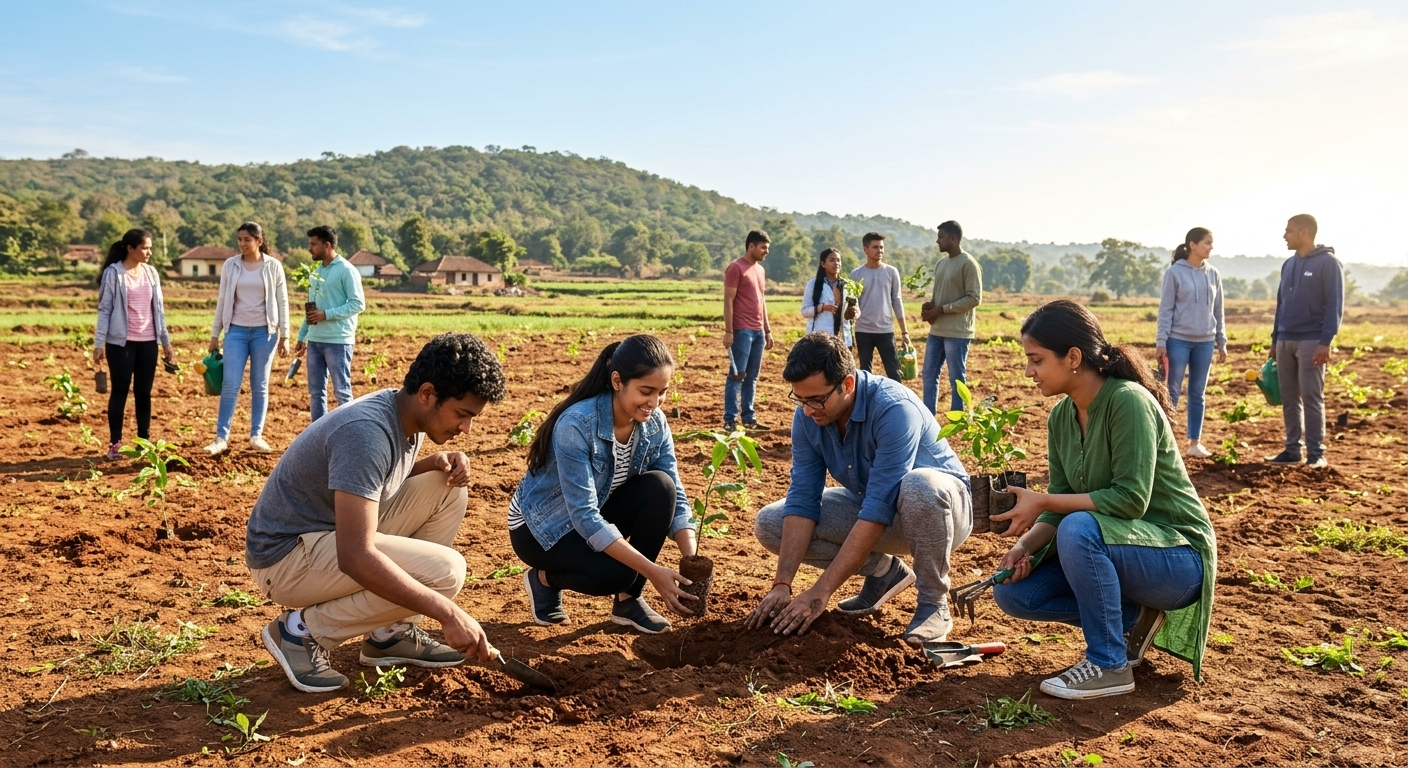 Image slot · replace this image URL to customise
Soil Degradation and the Loss of Fertility
Healthy soil is one of the foundations of human survival. It supports agriculture, stores carbon, regulates water movement, and provides a habitat for countless organisms.
However, excessive chemical inputs, erosion, deforestation, intensive farming, mining, and improper waste disposal can damage soil quality. In some areas, soil becomes depleted of essential nutrients, contaminated by toxic substances, or less capable of retaining water.
When soil loses its fertility, farmers may experience declining productivity, while communities become more dependent on expensive inputs and vulnerable to drought. Soil degradation can also contribute to sedimentation in rivers and reservoirs.
Protecting soil means encouraging sustainable agricultural practices, restoring organic matter, preventing erosion, managing waste responsibly, and reducing the contamination of agricultural land.
For Bhorkiran, healthy soil is not merely an environmental asset. It is a foundation of food security, public health, and human survival.
Image slot · replace this image URL to customiseAir Pollution and the Threat to Human Health
Clean air is indispensable to life, yet air pollution has become a serious challenge in many parts of the world.
Industrial emissions, vehicle exhaust, the burning of coal and other fossil fuels, construction dust, agricultural burning, and the open burning of waste contribute to polluted air. Household cooking and heating practices can also create harmful indoor pollution.
Air pollution is associated with respiratory illness, cardiovascular disease, and premature death. It can disproportionately affect children, older people, outdoor workers, and communities living near major pollution sources.
Polluted air also contributes to broader environmental problems. Certain pollutants influence atmospheric chemistry, while greenhouse gas emissions drive global warming.
Reducing air pollution requires cleaner energy, improved public transport, responsible industrial practices, better waste management, and stronger enforcement of environmental standards.
A mission to save humanity must recognise that every person deserves access to air that does not threaten their health.
Image slot · replace this image URL to customiseWater Pollution and the Growing Freshwater Crisis
Water sustains every form of life. Human beings need clean water for drinking, sanitation, agriculture, industry, and countless everyday activities.
Yet freshwater resources are under pressure from industrial pollution, untreated sewage, agricultural runoff, plastic waste, and the excessive use of groundwater. In some regions, contamination makes water unsafe for consumption, while excessive extraction causes groundwater levels to decline.
Groundwater depletion is particularly concerning because underground aquifers often replenish slowly. When water is extracted faster than natural processes can restore it, wells may dry up, pumping costs may increase, and farmers and households may struggle to secure adequate supplies.
Rivers and lakes are also affected by pollution, encroachment, dams, altered flow patterns, and the destruction of wetlands. Some rivers experience severe seasonal reductions in flow, while others become heavily contaminated.
Bhorkiran's vision calls for the responsible use of water, the restoration of water bodies, the protection of watersheds, rainwater harvesting, wastewater treatment, and the prevention of groundwater pollution.
Water conservation is not simply an environmental activity. It is an investment in public health, agriculture, economic stability, and the future of communities.
Image slot · replace this image URL to customiseMelting Glaciers and Rising Temperatures
Climate change is one of the most significant environmental challenges confronting humanity.
The burning of fossil fuels, deforestation, and other human activities increase the concentration of greenhouse gases in the atmosphere. These gases trap additional heat, causing global temperatures to rise.
The effects include the widespread retreat of glaciers, the warming of oceans, changes in precipitation patterns, rising sea levels, and increasing risks associated with certain extreme weather events.
Glaciers are especially important in many mountain regions because they store freshwater and contribute to river systems. Their retreat can alter seasonal water availability, affect downstream communities, and increase certain hazards associated with unstable mountain environments.
Rising temperatures also place pressure on agriculture, public health, infrastructure, and natural ecosystems. Heatwaves can become dangerous, especially for people who lack access to cooling, safe housing, healthcare, and reliable water supplies.
The challenge is not merely to respond to rising temperatures after their effects become visible. It is to reduce the activities driving global warming while helping communities adapt to unavoidable changes.
Image slot · replace this image URL to customiseDeforestation and the Destruction of Natural Habitats
Forests are among the most valuable natural systems on Earth. They absorb and store carbon, influence rainfall and local temperatures, protect soil, regulate water flows, and provide habitats for an extraordinary range of species.
However, forests are cleared for agriculture, roads, mining, settlements, commercial activities, and other forms of land development. Degradation also occurs when forests are repeatedly burned, overexploited, or fragmented into isolated patches.
The loss of forests can intensify soil erosion, reduce biodiversity, disturb water cycles, and increase the release of stored carbon. It can also displace communities whose livelihoods, cultural traditions, and daily needs are closely connected to forest ecosystems.
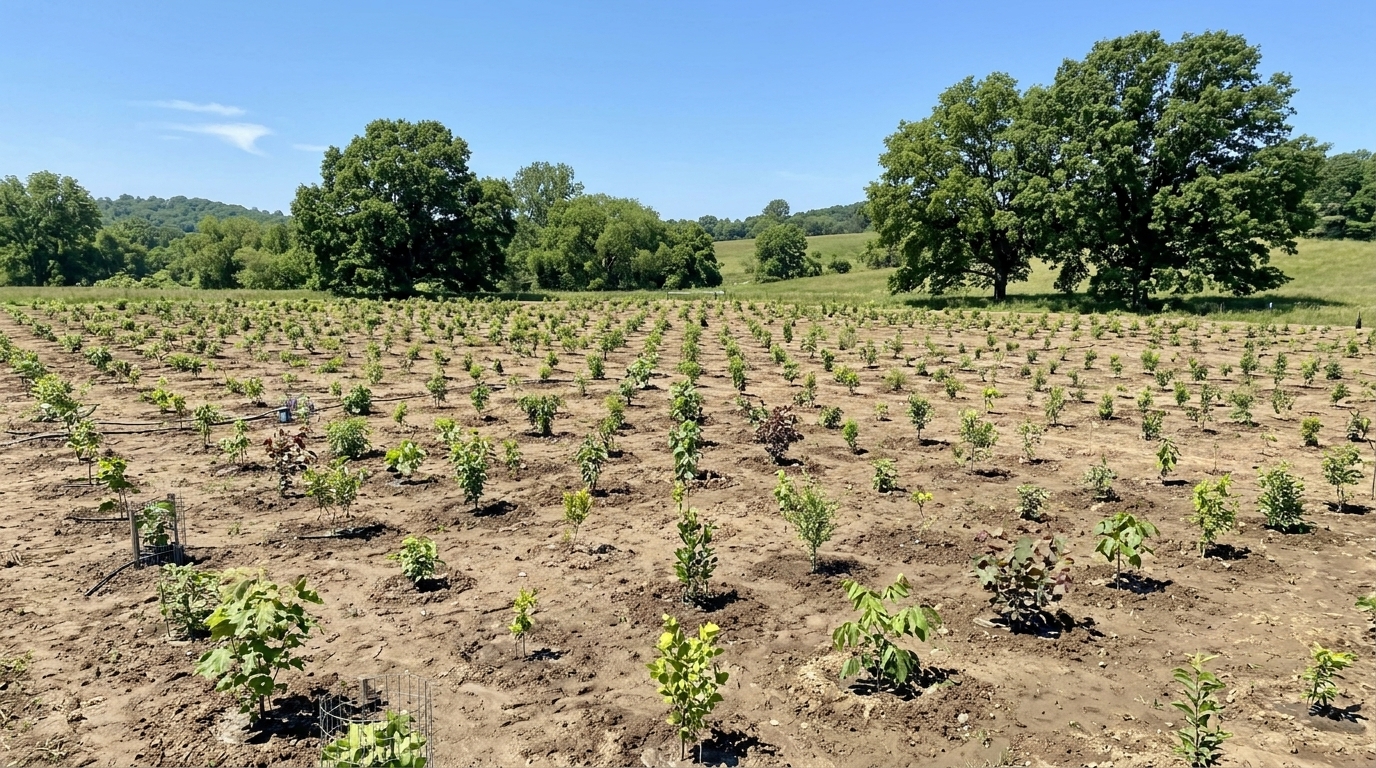
Protecting forests requires more than planting trees. It requires conserving existing forests, restoring degraded landscapes with appropriate native species, preventing illegal logging, reducing destructive land-use practices, and involving local communities in conservation efforts.
Bhorkiran's Save Human philosophy recognises that destroying forests ultimately weakens the ecological foundations of human society.
Image slot · replace this image URL to customiseThe Depletion of Fossil Fuels and Other Natural Resources
Modern civilisation relies heavily on energy, minerals, water, and other natural resources. These resources support transportation, manufacturing, agriculture, housing, and communication.
However, fossil fuels such as coal, petroleum, and natural gas are finite resources formed over geological timescales. Their extraction and combustion contribute to environmental pollution and climate change. The extraction of minerals and other materials can also damage habitats, consume water, and generate hazardous waste when poorly managed.
Resource depletion raises important questions about how societies will meet future needs. A system based on continuous extraction and wasteful consumption cannot provide unlimited material growth on a finite planet.
The solution is not to abandon development. It is to make development more sustainable through renewable energy, energy efficiency, durable products, repair and reuse, recycling, responsible mining, and reduced dependence on unnecessarily resource-intensive lifestyles.
A healthier future requires us to measure progress not only by how much we produce and consume, but also by how wisely we use the resources available to us.
Image slot · replace this image URL to customiseThreats to Wildlife and Biodiversity
Every species exists within a network of ecological relationships. The disappearance of a plant, insect, bird, mammal, or aquatic organism may affect other species in ways that are difficult to predict fully.
Habitat destruction, pollution, illegal wildlife trade, overfishing, unsustainable hunting, invasive species, and climate change all contribute to biodiversity loss.
As populations decline, some species become increasingly vulnerable to extinction. Others lose the habitats or food sources they need to survive. These changes can disrupt pollination, natural pest control, nutrient cycling, and food webs.
Human beings are part of these same ecological networks. Although technology can reduce certain forms of dependence on nature, it cannot completely replace the ecological services that healthy ecosystems provide.
Protecting wildlife is therefore not simply an act of kindness towards animals. It is an essential part of maintaining the living systems that support humanity.
Image slot · replace this image URL to customiseIs Nature Taking Revenge on Humanity?
When people experience devastating floods, prolonged droughts, heatwaves, landslides, or other environmental disasters, they sometimes describe these events as nature taking revenge.
Bhorkiran's message invites people to reflect on the consequences of environmental destruction. However, it is important to understand that nature does not possess human emotions, anger, or intentions in the literal sense.
Natural systems respond to physical processes. When forests are removed, watersheds are altered, the atmosphere warms, or wetlands are destroyed, the consequences follow from changes in the functioning of those systems.
For example, deforestation can increase erosion and alter local water movement. Excessive groundwater extraction can reduce aquifer reserves. Greenhouse gas emissions increase global warming. Construction in floodplains can expose communities to greater flood risks.
These consequences may appear to be nature punishing humanity, but they are better understood as the outcomes of ecological disruption and human exposure to environmental hazards.
This distinction strengthens rather than weakens the Save Human philosophy. It reminds us that the greatest danger is not an imaginary conflict between humanity and an angry planet. It is the growing mismatch between human activities and the conditions required for a safe and sustainable civilisation.
If we continue to damage the systems that support us, we will face increasingly serious consequences. If we reduce that damage and restore ecological balance, we can lower many of the risks.
The choice is not between defeating nature and surrendering to it. The choice is between living in greater harmony with natural systems and continuing practices that undermine our own future.
Image slot · replace this image URL to customiseThe Save Human Concept: A New Perspective on Environmental Protection
The Save Human concept begins with a simple but powerful principle: the purpose of environmental protection must include the protection of human life and the conditions that make life possible.
Traditional environmental messages often focus on saving forests, rivers, wildlife, oceans, or the planet as a whole. These goals remain essential. Bhorkiran does not reject them. Instead, it connects them directly to human well-being and long-term survival.
Clean rivers mean safer drinking water. Healthy soil means more reliable food production. Protected forests help maintain biodiversity and regulate climate. Clean air reduces health risks. Stable ecosystems help communities withstand environmental changes.
When environmental protection is understood through these connections, it becomes a responsibility shared by individuals, households, farmers, businesses, institutions, and governments.
The Save Human philosophy also challenges the assumption that human progress must always involve greater consumption. Genuine progress should improve the quality of life without destroying the ecological foundations upon which future generations depend.
This approach encourages people to ask practical questions:
Does this activity protect or damage human health? Does it conserve natural resources or waste them? Does it create pollution that will harm future generations? Can the same need be met through a less destructive alternative? Will this decision help maintain a healthy environment for our children? By asking these questions, society can move towards choices that support both human development and ecological stability.Image slot · replace this image URL to customiseReturning Towards Nature: The Path to a Sustainable Future
Bhorkiran believes that reducing environmental damage requires a fundamental change in how people live, produce, consume, and interact with the natural world.
Returning towards nature does not mean abandoning medicine, education, science, technology, or modern infrastructure. It means using human knowledge and innovation in ways that respect ecological limits.
The objective should be to reduce unnecessary harm, restore natural resources, and adopt practices that allow people and ecosystems to thrive together.
Choose Natural and Environmentally Responsible Alternatives
Many everyday products are manufactured, used, and discarded without sufficient consideration of their environmental consequences. Single-use plastics, unnecessary packaging, disposable consumer goods, and poorly managed synthetic materials can contribute to pollution and waste.
Where practical and safe, people can choose durable, reusable, repairable, locally appropriate, and less polluting alternatives.
For example, reusable shopping bags, refillable containers, responsible packaging, and products designed for longer use can reduce unnecessary waste. Natural materials may also be appropriate in some applications when they are sustainably sourced and suitable for the intended purpose.
However, the word natural should not automatically be treated as synonymous with safe or sustainable. Some natural substances are harmful, and some synthetic products provide important benefits, including in healthcare and sanitation. The goal is to evaluate products according to their real environmental and health impacts rather than relying on labels alone.
The most sustainable choice is often to avoid unnecessary consumption in the first place.
Reduce Waste and Promote Reuse
Waste is a major environmental challenge because many discarded materials require energy and resources to produce and can remain in the environment for long periods.
Individuals and organisations can reduce waste by purchasing only what they need, repairing useful items, reusing containers, separating recyclable materials, and composting suitable organic waste.
Businesses can redesign products and packaging to reduce unnecessary material use. Municipal authorities can improve waste collection, recycling systems, and the safe treatment of hazardous waste.
Open burning and the careless disposal of rubbish should be avoided because they can pollute air, soil, and water.
A responsible waste-management system treats discarded materials not simply as unwanted rubbish, but as evidence of resources that have been used and must be managed carefully.
Conserve Water and Restore Water Bodies
Water conservation begins with responsible daily habits, but it must extend beyond individual households.
Rainwater harvesting, efficient irrigation, leak prevention, watershed restoration, wastewater treatment, and the protection of wetlands can all contribute to better water management.
Farmers can explore irrigation techniques suited to local conditions. Communities can organise efforts to clean and restore local water bodies. Industries can reduce water consumption and treat wastewater before discharge.
Governments and local authorities must also protect groundwater recharge areas and regulate excessive extraction.
Because water systems are interconnected, effective conservation requires cooperation across entire catchments rather than isolated efforts by individual users.
Protect Trees, Forests, and Biodiversity
Tree planting can be beneficial, but it must be carried out thoughtfully. Planting suitable native species, protecting existing mature trees, and restoring natural habitats are often more valuable than simply maximising the number of saplings planted.
Communities can help protect local biodiversity by preserving green spaces, avoiding unnecessary destruction of habitats, supporting responsible farming, and preventing the illegal capture or trade of wildlife.
Agricultural landscapes can also become more wildlife-friendly through practices that protect pollinators, maintain appropriate vegetation, and reduce harmful chemical use where feasible.
Every successful conservation effort should consider the ecological characteristics of the region and the needs of local communities.
Reduce Dependence on Fossil Fuels
Transitioning towards cleaner energy is essential for addressing climate change and reducing many forms of air pollution.
Solar and wind power, improved energy efficiency, better public transport, appropriately designed buildings, and cleaner industrial processes can all contribute to reducing emissions.
Individuals can help by conserving electricity, choosing efficient appliances, walking or cycling for suitable journeys, and using public transport where practical.
Businesses and governments have a particularly important role because large-scale changes in electricity generation, transportation systems, industrial production, and urban planning require coordinated investment and policy support.
A sustainable future does not require every person to make identical choices. It requires society to make cleaner, more efficient choices accessible and affordable to more people.
Encourage Sustainable Agriculture
Agriculture connects human survival directly to soil, water, biodiversity, and climate. Farming systems that degrade these resources can become less resilient over time.
Practices such as crop rotation, soil conservation, appropriate organic matter management, integrated pest management, agroforestry, and efficient water use can improve sustainability when adapted to local conditions.
Organic farming and traditional agricultural knowledge may offer valuable approaches in suitable circumstances, but they should be evaluated alongside productivity, soil health, water requirements, pest pressures, and farmers' economic needs.
The objective is not to impose a single farming method everywhere. It is to develop agricultural systems that provide sufficient, nutritious food while protecting the resources needed for future production.
Build Environmental Awareness Through Education
Long-term environmental change requires knowledge, participation, and responsible decision-making.
Schools, colleges, community groups, civil society organisations, and local authorities can help people understand how everyday activities affect ecosystems and human health.
Environmental education should go beyond slogans. It should explain practical actions, scientific evidence, local environmental challenges, and the consequences of unsustainable practices.
People are more likely to participate when they understand both the problem and the effectiveness of the available solutions.
Bhorkiran can contribute to this process by promoting awareness of the relationship between environmental health and human survival, encouraging responsible behaviour, and supporting community-led environmental initiatives.
Image slot · replace this image URL to customiseIndividual Responsibility and Collective Action
Environmental protection is often discussed as a matter of personal responsibility. Individual choices are important, but they cannot solve every environmental problem independently.
A household can reduce its waste, conserve water, and use energy responsibly. However, it cannot independently clean an entire polluted river, regulate industrial emissions, halt illegal deforestation, or redesign a national energy system.
Meaningful progress requires cooperation among citizens, communities, educational institutions, industries, researchers, and governments.
Individuals can support local conservation activities, reduce avoidable consumption, spread reliable environmental information, and hold institutions accountable for environmental performance.
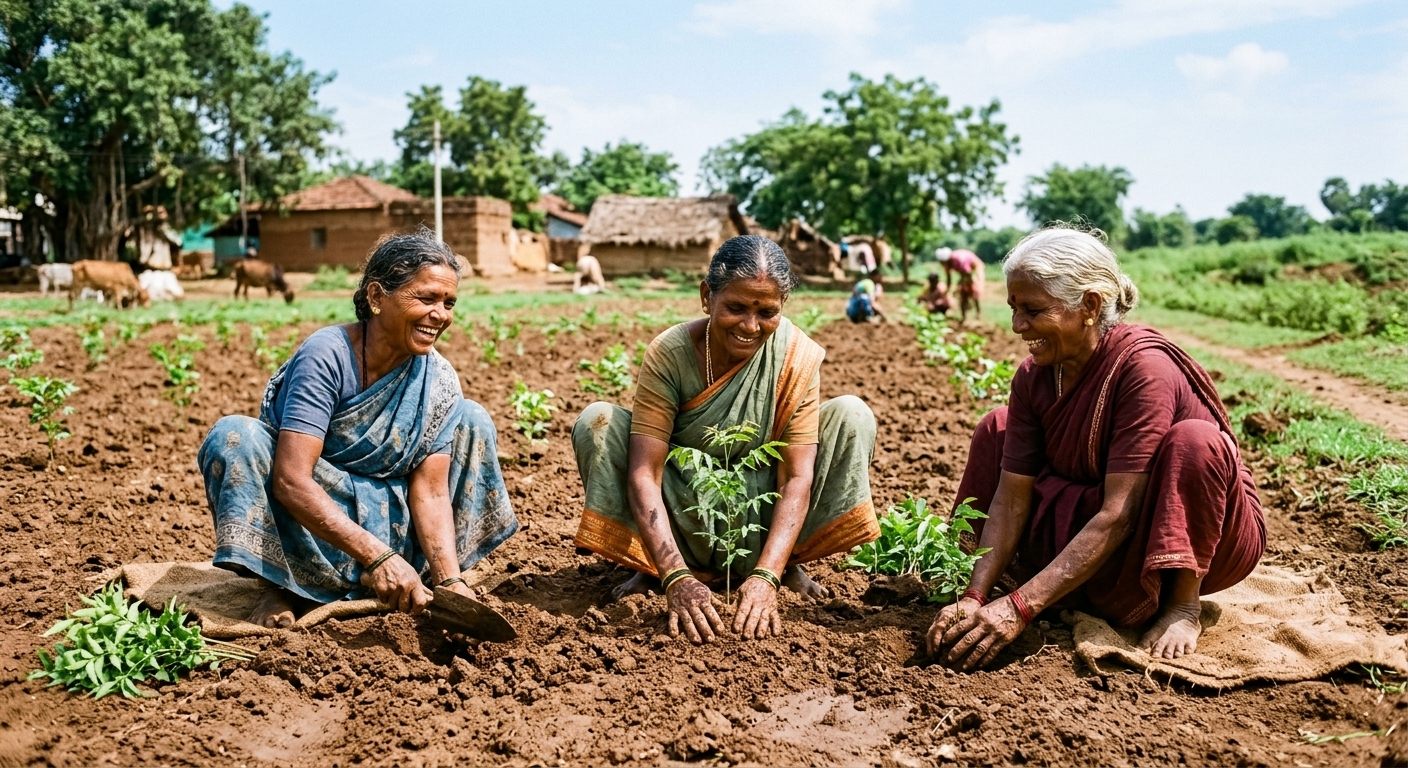
Communities can restore local water bodies, protect green spaces, improve waste management, and participate in environmental decision-making.
Businesses can adopt cleaner production methods, reduce waste, improve resource efficiency, and assess the environmental consequences of their supply chains.
Governments can establish effective environmental standards, invest in public infrastructure, enforce pollution controls, conserve natural habitats, and support a fair transition towards cleaner energy.
The responsibilities of these groups differ, but their objectives should be aligned.
Bhorkiran's mission can serve as a platform for bringing these responsibilities together under a shared understanding: protecting the environment is an investment in the health, security, and future of humanity.
Image slot · replace this image URL to customiseWhy Immediate Action Matters
Environmental problems rarely remain isolated. They can accumulate, interact, and become more difficult or expensive to reverse.
A degraded watershed may contribute to water shortages and soil erosion. Deforestation can worsen habitat loss and increase carbon emissions. Poor waste management can contaminate water bodies and expose communities to harmful pollutants. Rising temperatures can intensify heat-related risks and place additional pressure on agriculture and water supplies.
These connections mean that delaying action may increase future costs and risks.
At the same time, it is important not to present environmental collapse as an inevitable outcome or to claim that humanity has a precise deadline for survival. Such predictions require evidence and cannot be established through slogans alone.
The scientifically grounded message is both urgent and hopeful: human activities are contributing to serious environmental challenges, and many of these risks can be reduced through timely, sustained, and coordinated action.
The earlier society addresses these problems, the greater the opportunity to prevent avoidable harm, protect vulnerable communities, and preserve essential natural resources.
Every year of responsible action can contribute to a healthier future. Every improvement in energy efficiency, water management, pollution control, ecosystem restoration, and sustainable consumption can form part of a larger positive transformation.
Bhorkiran's message is therefore a call to act before environmental damage becomes even more difficult to manage.
Image slot · replace this image URL to customiseBhorkiran's Vision for the Future
Bhorkiran's Save Human mission represents a vision in which human progress is measured not merely by economic growth or technological achievement, but also by the quality of the environment in which people live.
A successful future would include clean air in our cities and villages, safe drinking water for every community, fertile agricultural land, protected forests, thriving wildlife, reduced pollution, and a climate that remains compatible with human well-being.
It would also involve a more responsible relationship between consumption and natural resources. Products would be designed for durability, waste would be minimised, ecosystems would receive greater protection, and environmental decisions would account for the needs of future generations.
Achieving this vision requires practical action rather than promises alone. Environmental programmes should have clear objectives, measurable outcomes, community participation, and transparent reporting.
For an organisation working towards these goals, credibility depends on demonstrating how its activities contribute to environmental improvement and human well-being. Projects can be evaluated through indicators such as trees surviving after planting, water bodies restored, waste diverted from landfills, communities reached through environmental education, and improvements in local environmental conditions.
Bhorkiran can use the Save Human concept to encourage a culture of responsibility, cooperation, and respect for nature. Its message can inspire individuals to reconsider their habits and encourage institutions to place environmental sustainability at the centre of development.
The ultimate objective is not to create fear about humanity's future, but to motivate people to protect that future through informed and constructive action.
Image slot · replace this image URL to customiseConclusion: Save Humanity by Protecting the Natural World
The Earth has existed for billions of years and has survived extraordinary changes throughout its history. Humanity, however, is a comparatively recent part of that history. Our survival depends upon conditions that we cannot take for granted: breathable air, clean water, productive soil, functioning ecosystems, stable climatic conditions, and the extraordinary diversity of life.
Human activities are placing these essential systems under increasing pressure. Pollution, deforestation, biodiversity loss, resource depletion, and climate change are not separate concerns. They are interconnected challenges that can threaten human health, livelihoods, food security, and long-term social stability.
Bhorkiran's Save Human concept asks society to look beyond the familiar slogan of saving the planet and recognise the human consequences of environmental destruction. The Earth will continue its geological journey, but the future of human civilisation depends on the choices we make today.
The solution is not to fear nature, treat it as an enemy, or abandon the benefits of modern development. It is to understand the natural systems that sustain us and ensure that our activities do not undermine them.
We must reduce pollution, conserve water, protect forests, restore damaged ecosystems, use resources responsibly, promote sustainable agriculture, and transition towards cleaner energy. We must also recognise that lasting environmental progress requires cooperation among individuals, communities, businesses, and governments.
Returning towards nature means restoring balance between human needs and the Earth's ecological limits. It means understanding that development without environmental responsibility can threaten the very people it is intended to benefit.
Bhorkiran stands for a simple but powerful principle: save humanity by protecting the natural systems that make human life possible.
The future is not determined entirely by the damage already done. It will also be shaped by the actions we take from this moment forward.
We have the knowledge to make better choices, the ability to develop cleaner solutions, and the responsibility to protect future generations. What we need is the collective determination to turn that knowledge into action.
The time to begin is now, because protecting nature is not merely about preserving the world around us. It is about safeguarding the world that sustains us.
By asking these questions, society can move towards choices that support both human development and ecological stability.
Image slot · replace this image URL to customiseReturning Towards Nature: The Path to a Sustainable Future
Bhorkiran believes that reducing environmental damage requires a fundamental change in how people live, produce, consume, and interact with the natural world.
Returning towards nature does not mean abandoning medicine, education, science, technology, or modern infrastructure. It means using human knowledge and innovation in ways that respect ecological limits.
The objective should be to reduce unnecessary harm, restore natural resources, and adopt practices that allow people and ecosystems to thrive together.
Image slot · replace this image URL to customiseChoose Natural and Environmentally Responsible Alternatives
Many everyday products are manufactured, used, and discarded without sufficient consideration of their environmental consequences. Single-use plastics, unnecessary packaging, disposable consumer goods, and poorly managed synthetic materials can contribute to pollution and waste.
Where practical and safe, people can choose durable, reusable, repairable, locally appropriate, and less polluting alternatives.
For example, reusable shopping bags, refillable containers, responsible packaging, and products designed for longer use can reduce unnecessary waste. Natural materials may also be appropriate in some applications when they are sustainably sourced and suitable for the intended purpose.
However, the word natural should not automatically be treated as synonymous with safe or sustainable. Some natural substances are harmful, and some synthetic products provide important benefits, including in healthcare and sanitation. The goal is to evaluate products according to their real environmental and health impacts rather than relying on labels alone.
The most sustainable choice is often to avoid unnecessary consumption in the first place.
Image slot · replace this image URL to customiseReduce Waste and Promote Reuse
Waste is a major environmental challenge because many discarded materials require energy and resources to produce and can remain in the environment for long periods.
Individuals and organisations can reduce waste by purchasing only what they need, repairing useful items, reusing containers, separating recyclable materials, and composting suitable organic waste.
Businesses can redesign products and packaging to reduce unnecessary material use. Municipal authorities can improve waste collection, recycling systems, and the safe treatment of hazardous waste.
Open burning and the careless disposal of rubbish should be avoided because they can pollute air, soil, and water.
A responsible waste-management system treats discarded materials not simply as unwanted rubbish, but as evidence of resources that have been used and must be managed carefully.
Image slot · replace this image URL to customiseConserve Water and Restore Water Bodies
Water conservation begins with responsible daily habits, but it must extend beyond individual households.
Rainwater harvesting, efficient irrigation, leak prevention, watershed restoration, wastewater treatment, and the protection of wetlands can all contribute to better water management.
Farmers can explore irrigation techniques suited to local conditions. Communities can organise efforts to clean and restore local water bodies. Industries can reduce water consumption and treat wastewater before discharge.
Governments and local authorities must also protect groundwater recharge areas and regulate excessive extraction.
Because water systems are interconnected, effective conservation requires cooperation across entire catchments rather than isolated efforts by individual users.
Image slot · replace this image URL to customiseProtect Trees, Forests, and Biodiversity
Tree planting can be beneficial, but it must be carried out thoughtfully. Planting suitable native species, protecting existing mature trees, and restoring natural habitats are often more valuable than simply maximising the number of saplings planted.
Communities can help protect local biodiversity by preserving green spaces, avoiding unnecessary destruction of habitats, supporting responsible farming, and preventing the illegal capture or trade of wildlife.
Agricultural landscapes can also become more wildlife-friendly through practices that protect pollinators, maintain appropriate vegetation, and reduce harmful chemical use where feasible.
Every successful conservation effort should consider the ecological characteristics of the region and the needs of local communities.
Image slot · replace this image URL to customiseReduce Dependence on Fossil Fuels
Transitioning towards cleaner energy is essential for addressing climate change and reducing many forms of air pollution.
Solar and wind power, improved energy efficiency, better public transport, appropriately designed buildings, and cleaner industrial processes can all contribute to reducing emissions.
Individuals can help by conserving electricity, choosing efficient appliances, walking or cycling for suitable journeys, and using public transport where practical.
Businesses and governments have a particularly important role because large-scale changes in electricity generation, transportation systems, industrial production, and urban planning require coordinated investment and policy support.
A sustainable future does not require every person to make identical choices. It requires society to make cleaner, more efficient choices accessible and affordable to more people.
Image slot · replace this image URL to customiseEncourage Sustainable Agriculture
Agriculture connects human survival directly to soil, water, biodiversity, and climate. Farming systems that degrade these resources can become less resilient over time.
Practices such as crop rotation, soil conservation, appropriate organic matter management, integrated pest management, agroforestry, and efficient water use can improve sustainability when adapted to local conditions.
Organic farming and traditional agricultural knowledge may offer valuable approaches in suitable circumstances, but they should be evaluated alongside productivity, soil health, water requirements, pest pressures, and farmers' economic needs.
The objective is not to impose a single farming method everywhere. It is to develop agricultural systems that provide sufficient, nutritious food while protecting the resources needed for future production.
Image slot · replace this image URL to customiseBuild Environmental Awareness Through Education
Long-term environmental change requires knowledge, participation, and responsible decision-making.
Schools, colleges, community groups, civil society organisations, and local authorities can help people understand how everyday activities affect ecosystems and human health.
Environmental education should go beyond slogans. It should explain practical actions, scientific evidence, local environmental challenges, and the consequences of unsustainable practices.
People are more likely to participate when they understand both the problem and the effectiveness of the available solutions.
Bhorkiran can contribute to this process by promoting awareness of the relationship between environmental health and human survival, encouraging responsible behaviour, and supporting community-led environmental initiatives.
Image slot · replace this image URL to customiseIndividual Responsibility and Collective Action
Environmental protection is often discussed as a matter of personal responsibility. Individual choices are important, but they cannot solve every environmental problem independently.
A household can reduce its waste, conserve water, and use energy responsibly. However, it cannot independently clean an entire polluted river, regulate industrial emissions, halt illegal deforestation, or redesign a national energy system.
Meaningful progress requires cooperation among citizens, communities, educational institutions, industries, researchers, and governments.
Individuals can support local conservation activities, reduce avoidable consumption, spread reliable environmental information, and hold institutions accountable for environmental performance.
Communities can restore local water bodies, protect green spaces, improve waste management, and participate in environmental decision-making.
Businesses can adopt cleaner production methods, reduce waste, improve resource efficiency, and assess the environmental consequences of their supply chains.
Governments can establish effective environmental standards, invest in public infrastructure, enforce pollution controls, conserve natural habitats, and support a fair transition towards cleaner energy.
The responsibilities of these groups differ, but their objectives should be aligned.
Bhorkiran's mission can serve as a platform for bringing these responsibilities together under a shared understanding: protecting the environment is an investment in the health, security, and future of humanity.
Image slot · replace this image URL to customiseWhy Immediate Action Matters
Environmental problems rarely remain isolated. They can accumulate, interact, and become more difficult or expensive to reverse.
A degraded watershed may contribute to water shortages and soil erosion. Deforestation can worsen habitat loss and increase carbon emissions. Poor waste management can contaminate water bodies and expose communities to harmful pollutants. Rising temperatures can intensify heat-related risks and place additional pressure on agriculture and water supplies.
These connections mean that delaying action may increase future costs and risks.
At the same time, it is important not to present environmental collapse as an inevitable outcome or to claim that humanity has a precise deadline for survival. Such predictions require evidence and cannot be established through slogans alone.
The scientifically grounded message is both urgent and hopeful: human activities are contributing to serious environmental challenges, and many of these risks can be reduced through timely, sustained, and coordinated action.
The earlier society addresses these problems, the greater the opportunity to prevent avoidable harm, protect vulnerable communities, and preserve essential natural resources.
Every year of responsible action can contribute to a healthier future. Every improvement in energy efficiency, water management, pollution control, ecosystem restoration, and sustainable consumption can form part of a larger positive transformation.
Bhorkiran's message is therefore a call to act before environmental damage becomes even more difficult to manage.
Image slot · replace this image URL to customiseBhorkiran's Vision for the Future
Bhorkiran's Save Human mission represents a vision in which human progress is measured not merely by economic growth or technological achievement, but also by the quality of the environment in which people live.
A successful future would include clean air in our cities and villages, safe drinking water for every community, fertile agricultural land, protected forests, thriving wildlife, reduced pollution, and a climate that remains compatible with human well-being.
It would also involve a more responsible relationship between consumption and natural resources. Products would be designed for durability, waste would be minimised, ecosystems would receive greater protection, and environmental decisions would account for the needs of future generations.
Achieving this vision requires practical action rather than promises alone. Environmental programmes should have clear objectives, measurable outcomes, community participation, and transparent reporting.
For an organisation working towards these goals, credibility depends on demonstrating how its activities contribute to environmental improvement and human well-being. Projects can be evaluated through indicators such as trees surviving after planting, water bodies restored, waste diverted from landfills, communities reached through environmental education, and improvements in local environmental conditions.
Bhorkiran can use the Save Human concept to encourage a culture of responsibility, cooperation, and respect for nature. Its message can inspire individuals to reconsider their habits and encourage institutions to place environmental sustainability at the centre of development.
The ultimate objective is not to create fear about humanity's future, but to motivate people to protect that future through informed and constructive action.
Image slot · replace this image URL to customiseConclusion: Save Humanity by Protecting the Natural World
The Earth has existed for billions of years and has survived extraordinary changes throughout its history. Humanity, however, is a comparatively recent part of that history. Our survival depends upon conditions that we cannot take for granted: breathable air, clean water, productive soil, functioning ecosystems, stable climatic conditions, and the extraordinary diversity of life.
Human activities are placing these essential systems under increasing pressure. Pollution, deforestation, biodiversity loss, resource depletion, and climate change are not separate concerns. They are interconnected challenges that can threaten human health, livelihoods, food security, and long-term social stability.
Bhorkiran's Save Human concept asks society to look beyond the familiar slogan of saving the planet and recognise the human consequences of environmental destruction. The Earth will continue its geological journey, but the future of human civilisation depends on the choices we make today.
The solution is not to fear nature, treat it as an enemy, or abandon the benefits of modern development. It is to understand the natural systems that sustain us and ensure that our activities do not undermine them.
We must reduce pollution, conserve water, protect forests, restore damaged ecosystems, use resources responsibly, promote sustainable agriculture, and transition towards cleaner energy. We must also recognise that lasting environmental progress requires cooperation among individuals, communities, businesses, and governments.
Returning towards nature means restoring balance between human needs and the Earth's ecological limits. It means understanding that development without environmental responsibility can threaten the very people it is intended to benefit.
Bhorkiran stands for a simple but powerful principle: save humanity by protecting the natural systems that make human life possible.
The future is not determined entirely by the damage already done. It will also be shaped by the actions we take from this moment forward.
The future is not determined entirely by the damage already done. It will also be shaped by the actions we take from this moment forward.
We have the knowledge to make better choices, the ability to develop cleaner solutions, and the responsibility to protect future generations. What we need is the collective determination to turn that knowledge into action.
We have the knowledge to make better choices, the ability to develop cleaner solutions, and the responsibility to protect future generations. What we need is the collective determination to turn that knowledge into action.
The time to begin is now, because protecting nature is not merely about preserving the world around us. It is about safeguarding the world that sustains us.
The time to begin is now, because protecting nature is not merely about preserving the world around us. It is about safeguarding the world that sustains us.